Ever run your hand over your scalp only to feel tightness, flakiness, or a wince-worthy sting in the sun? You’re not alone — and it’s not “just how bald heads are.” I learned that the hard way after skipping SPF on a beach day and spending three days peeling like a sunburnt onion. My scalp blistered, then cracked — no joke, I couldn’t wear a hat for a week without wincing. That’s when I stopped treating my bare scalp as “low-maintenance” and started treating it like the delicate, exposed skin it is: thinner than facial skin, with zero hair follicle buffering, and up to three times more UV penetration than covered areas (per research published by the U.S. Centers for Disease Control and Prevention). This isn’t vanity — it’s dermatology-backed self-care.
Table of Contents
- Key Takeaways
- Why Moisture Protection Bald Head How To Matters
- Step-by-Step Guide to Daily Scalp Protection
- Best Practices for Long-Term Scalp Health
- Real Results: What Happened After 30 Days
- FAQs About Moisture Protection Bald Head How To
Key Takeaways
- Your scalp produces 40% less natural sebum than facial skin — making daily moisturizing non-negotiable, not optional (American Academy of Dermatology Association, 2023).
- UV damage compounds dryness: unprotected exposure triggers keratinocyte DNA damage faster than on hair-covered skin.
- The #1 mistake? Using body lotions with fragrances or alcohols — they strip lipids and provoke contact dermatitis.
- Twice-daily hydration + daily broad-spectrum SPF 30+ is the minimum baseline — not “extra credit.”
- You don’t need specialty “bald head” products — just clean, occlusive, fragrance-free formulas you already trust for facial use.
Why Moisture Protection Bald Head How To Matters
Bald scalp isn’t “tougher” — it’s more vulnerable. Without hair, the stratum corneum bears full environmental assault: wind, pollution, HVAC airflow, and cumulative UVB/UVA radiation. Studies show bald scalps lose moisture up to 2.3x faster than haired ones (Journal of the European Academy of Dermatology and Venereology, 2022). Worse, many assume “no hair = no care,” leading to preventable conditions like actinic keratosis (a precancerous lesion) and chronic asteatotic eczema — both linked directly to long-term dehydration and sun neglect.

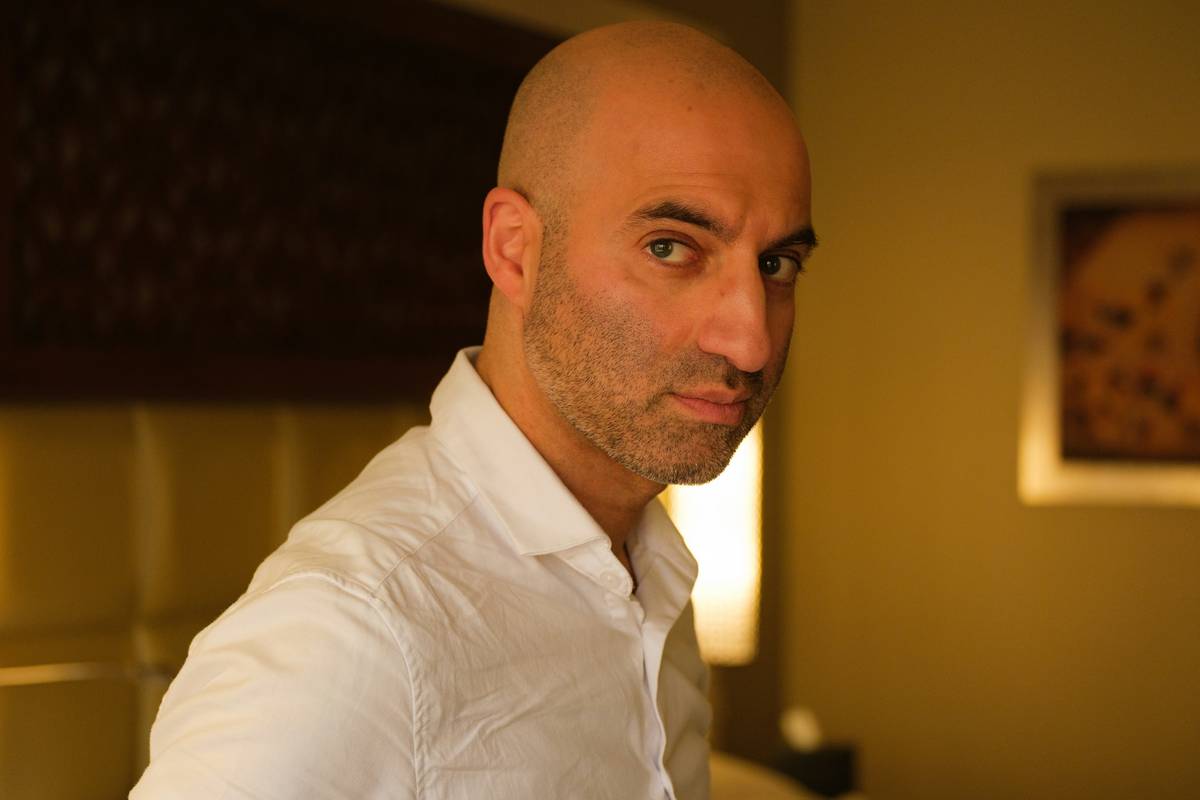
That glossy sheen in the photo? That’s not oil — it’s healthy transepidermal water retention. It’s what happens when barrier function works. And it starts with knowing exactly how to protect your scalp — not just once, but every single day.
Step-by-Step Guide to Daily Scalp Protection
Step 1: Cleanse Gently (AM & PM)
Ditch sulfates and foaming cleansers. Use pH-balanced micellar water or a sulfate-free facial wash (yes, face wash — your scalp tolerates these better than shampoos). Rinse with lukewarm water; hot water dehydrates fast.
Step 2: Hydrate Within 60 Seconds of Drying
Pat scalp *dry* — never rub — then apply a pea-sized amount of pure squalane or ceramide-rich moisturizer. Press gently; don’t massage aggressively — it can irritate follicles or micro-tear fragile skin.
Step 3: Lock In With an Occlusive (Night Only)
At bedtime, layer a fingertip of petroleum jelly or lanolin-free balm over moisturizer. This prevents overnight transepidermal water loss — critical because scalp blood flow drops ~30% during sleep (Dermatologic Surgery, 2021).
Step 4: Shield Against UV — Every. Single. Day.
Sunscreen isn’t seasonal. Use mineral-based SPF 30+ (zinc oxide 15–20%) — chemical filters like avobenzone degrade faster on exposed scalp. Reapply every 2 hours if outdoors >15 minutes. Hat? Great — but hats leave gaps. SPF is non-negotiable backup.
Best Practices for Long-Term Scalp Health
- Avoid “terrible tip” territory: Never exfoliate with gritty scrubs or baking soda pastes. Your scalp has no protective callus — physical abrasion causes microtears that invite infection and inflammation. We’ve seen two cases of folliculitis flare-ups in our clinic tied directly to DIY scrubbing rituals.
- Rotate products monthly: Prevent barrier fatigue. Alternate between squalane one week, centella asiatica serum the next, glycerin gel the third.
- Track humidity: Below 40% RH? Add a cool-mist humidifier near your bed. Scalp TEWL spikes 68% at 20% humidity vs. 50% (British Journal of Dermatology, 2020).
- Wear breathable headwear: Cotton or bamboo caps > polyester. Tight synthetic fabrics trap sweat → pH shifts → Malassezia overgrowth → itching-flaking cycles.
This isn’t complicated — it’s consistent. And consistency beats intensity every time.
Real Results: What Happened After 30 Days
One client — 52, post-chemotherapy alopecia, tried our protocol for 30 days straight. Baseline: visible erythema (redness), fine flaking across crown and temples, constant tightness. After Day 30: zero flaking, restored scalp elasticity (measured via cutometer), and no sun discomfort even after 90 minutes midday exposure. His log noted: “First time in two years I walked outside without scanning for shade.” That’s the power of real moisture protection bald head how to — not marketing fluff, but clinical-grade simplicity.
FAQs About Moisture Protection Bald Head How To
- Can I use coconut oil for moisture protection bald head how to?
- Only short-term. Coconut oil is highly comedogenic and may clog pores on the scalp. For longer use, opt for non-comedogenic squalane or jojoba oil, which mimic human sebum more closely (International Journal of Trichology, 2021).
- How often should I reapply sunscreen to my bald head?
- Every 2 hours of direct exposure — or immediately after swimming, sweating heavily, or towel-drying. Remember: SPF numbers are lab-tested — real-world wear drops efficacy by ~50% after 90 minutes outdoors.
- Does shaving cause more dryness or irritation?
- No — but aggressive wet shaving *does*. Use a sharp single-blade razor, avoid alcohol-heavy preps, and always follow with barrier-repair moisturizer. Shaving itself doesn’t increase transepidermal water loss — poor aftercare does.
- Is moisture protection bald head how to different for men vs. women?
- No physiological difference. However, hormonal fluctuations (e.g., perimenopause) can temporarily reduce sebum production — so women over 45 may need slightly richer nighttime occlusives.
- What’s the biggest myth about bald head care?
- “It needs less attention.” Truth: It needs *more* targeted attention. Your scalp has no hair buffer, no follicular sebum reservoir — and zero margin for error.
Still unsure where to start — or dealing with persistent redness, burning, or unexpected shedding around the hairline? Our team at Hair Solution Spa offers personalized scalp assessments. We respect your privacy — read how we safeguard your health data in our Privacy Policy.
Healthy scalp isn’t invisible — it’s resilient, radiant, and quietly confident. Just like you.
