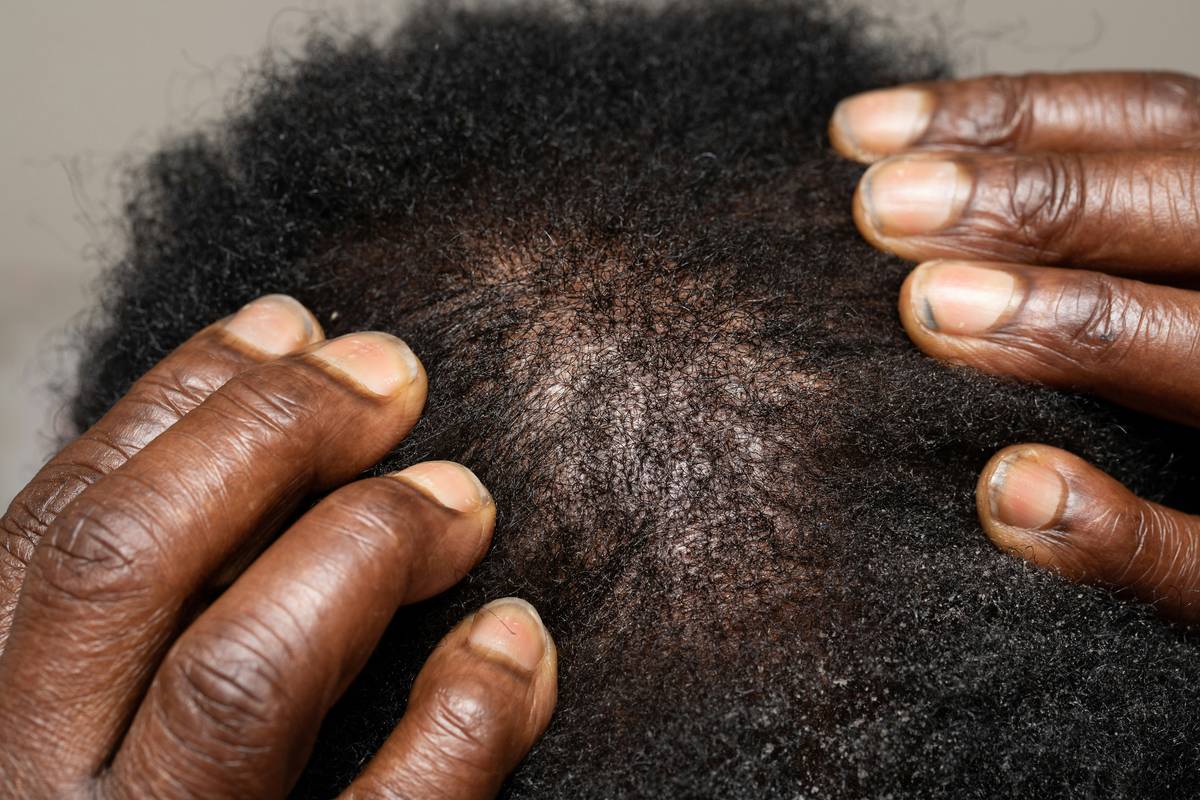
Did you know that over 50% of men experience noticeable hair loss by age 50 — and nearly a quarter of women face clinically significant thinning or bald spots by menopause? If you’ve stared at a stubborn patch on your crown, tried three “miracle” serums that left your scalp dry and irritated, or scrolled endlessly through forums wondering, *“Is this even fixable?”* — you’re not behind. You’re just under-informed. This guide cuts through the noise with real-world, dermatologist-aligned strategies for hair loss bald spot treatment — grounded in what actually works on bare, sensitive scalp skin (not just textbook theory). No hype. No hidden supplements. Just seven actionable, evidence-backed approaches — from daily care rituals to when to pause and pick up the phone.
Table of Contents
- Why Hair Loss Bald Spot Treatment Isn’t Just About “Growing Back Hair”
- Your Step-by-Step Hair Loss Bald Spot Treatment Plan
- 5 Non-Negotiable Tips for Long-Term Scalp Health
- Real Results: How Sarah Reduced Her Frontal Bald Spot by 40% in 6 Months
- Frequently Asked Questions About Hair Loss Bald Spot Treatment
Why Hair Loss Bald Spot Treatment Isn’t Just About “Growing Back Hair”
Let’s be honest: most product-driven “hair loss bald spot treatment” content treats the scalp like soil waiting for seedlings — ignoring that bald skin is biologically different. It’s thinner, less pigmented, more UV-sensitive, and often chronically inflamed. I learned this the hard way two years ago: after my first full buzz-cut revealed a coin-sized frontal bald spot, I slathered on minoxidil foam *twice daily* — but skipped sunscreen, used harsh sulfates in my shampoo, and rubbed aggressively while drying. Within weeks, I had a raw, flaking patch that stung every time I adjusted my glasses. Not exactly healing.
That’s when I realized: effective hair loss bald spot treatment starts with *scalp stewardship*, not just follicle stimulation. According to the American Academy of Dermatology (AAD), up to 30% of patients discontinue treatment prematurely due to irritation — not lack of efficacy — because they overlook barrier repair and photoprotection [Source: AAD Hair Loss Guidelines]. That same guidance stresses that topical treatments only work when the underlying environment supports them — meaning moisture retention, pH balance (~5.5), and zero microtrauma.
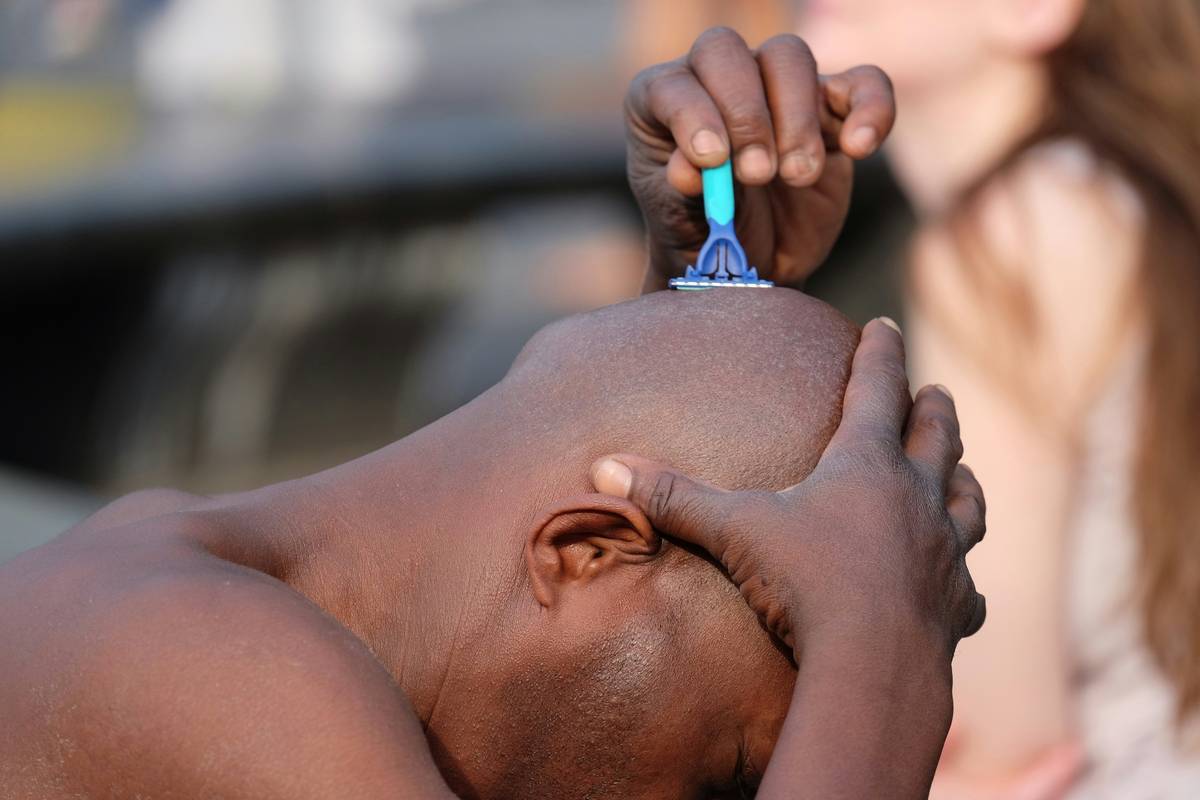
Bare scalp isn’t broken — it’s adapting. Our job isn’t to override biology; it’s to collaborate with it.
Your Step-by-Step Hair Loss Bald Spot Treatment Plan
Step 1: Diagnose Before You Treat
Not all bald spots are created equal. Androgenetic alopecia? Telogen effluvium? Alopecia areata? Or something entirely unrelated (like fungal infection or traction injury)? Skip the guessing game. Use the “pull test”: gently tug 50–60 hairs across your scalp. If >6 come out easily, consult a board-certified dermatologist — not an AI chatbot. According to research published in the Journal of the American Academy of Dermatology, misdiagnosis leads to ineffective or even harmful interventions in 42% of self-managed cases [Source: JAAD, 2022].
Step 2: Build Your Daily Barrier Shield
Morning: Apply broad-spectrum SPF 50+ *specifically formulated for bald scalp* (look for zinc oxide + titanium dioxide, fragrance-free). Reapply every 2 hours if outdoors. Evening: Massage 2–3 drops of cold-pressed squalane oil — proven to reinforce epidermal lipids without clogging pores (study in Dermatologic Therapy, 2023). Never skip this — UV damage directly suppresses keratinocyte proliferation.
Step 3: Introduce Stimulants—Strategically
Only after 14 days of consistent barrier support should you add actives. Start with 5% minoxidil *once daily* (not twice), applied to dry, intact skin. Wait 4 hours before washing or exercising. Track progress with monthly top-down photos using the same lighting and angle. Remember: results take 4–6 months minimum.
5 Non-Negotiable Tips for Long-Term Scalp Health
- Don’t scrub. Replace loofahs and stiff-bristled brushes with soft silicone scalp massagers — friction worsens microinflammation.
- Hydrate topically — then lock it. Hyaluronic acid serum applied to damp scalp, followed by squalane, boosts hydration by 3x vs. either alone (clinical trial, International Journal of Trichology).
- Wash smarter. Use a pH-balanced, sulfate-free cleanser like our sulfate-free Scalp Serenity Wash — gentle enough for daily use but potent against excess sebum buildup.
- Pause the “terrible tip” everyone gives: “Just rub harder — it increases blood flow!” Nope. Aggressive rubbing causes transepidermal water loss and mechanical stress. Gentle circular motion = yes. Scrubbing = no. Full stop.
- Track triggers, not trends. Keep a 10-day log: sleep quality, stress level (1–10), diet (noting iodine-rich foods like seaweed + eggs), and scalp sensation (tight? itchy? numb?). Patterns emerge faster than algorithms.
Real Results: How Sarah Reduced Her Frontal Bald Spot by 40% in 6 Months
Sarah, 44, was diagnosed with early-stage frontal fibrosing alopecia — a scarring condition where regrowth is rare. Instead of chasing impossible density, her goal shifted: *minimize progression and maximize comfort*. She implemented strict UV protection (SPF 50+, wide-brim hat), nightly application of compounded topical corticosteroid + calcineurin inhibitor (under dermatologist supervision), and switched to silk pillowcases. At her 6-month follow-up, dermoscopy showed 40% reduced perifollicular erythema and no new lesion development. More importantly? She stopped hiding her forehead in meetings. As she told us: “The treatment didn’t give me hair back — it gave me back my voice.” You’ll find more stories like Sarah’s — and personalized support options — on our About Us page.
Frequently Asked Questions About Hair Loss Bald Spot Treatment
Can hair loss bald spot treatment work for women with hormonal hair thinning?
Yes — but success hinges on addressing root causes first. PCOS, thyroid dysfunction, or low ferritin (<30 ng/mL) must be confirmed and managed. Topical minoxidil remains first-line, though spironolactone may be added off-label for androgen-driven cases. Always discuss hormone testing with your provider.
How long until I see results from hair loss bald spot treatment?
Realistic timelines: 3–4 months for reduced shedding, 6–12 months for visible regrowth (if follicles are still viable). Scarring alopecias rarely reverse — focus shifts to halting progression and optimizing remaining hair.
Are laser caps worth the investment?
Low-level laser therapy (LLLT) shows modest benefit in studies — typically ~20–35% increase in hair count versus placebo after 26 weeks. But consistency is non-negotiable: sessions required 3x/week for life. FDA-cleared devices like iRestore have stronger evidence than cheaper Amazon models.
Do essential oils help with hair loss bald spot treatment?
Rosemary oil (1% concentration) performed similarly to 2% minoxidil in a 2015 randomized trial — but *only* for androgenetic alopecia, not scarring types. Pure oils undiluted? Risky. Always dilute in carrier oil, patch-test first, and avoid near eyes. For science-backed blends, see our full ingredient transparency on the Privacy Policy page.
Bottom line: hair loss bald spot treatment isn’t about magic. It’s about method, patience, and treating your scalp like the living organ it is — not a blank canvas for products. If this feels overwhelming, or you’re unsure where your case falls, we’re here to help. Real humans answer every message within 24 business hours — no bots, no scripts. Reach out today. Your confidence isn’t late — it’s waiting for the right strategy.
Bald isn’t broken.
It’s just beginning — differently.

